
Skin tags, caused by friction, hormones, or obesity, can be removed for appearance or comfort. Manchester residents access professional services like surgical excision, cryotherapy, and laser treatments. Natural remedies like duct tape and apple cider vinegar are also popular but require caution. Professional removal involves consultations, freezing, cutting, or burning with post-treatment care guidance. Before seeking professional help, consider home care tips and understand the reality of skin tag removal techniques.
Skin tags, those tiny, harmless growths on the skin, can be a nuisance. This article provides an all-encompassing guide to effectively managing and removing skin tags at home or through professional services. We’ll delve into the causes and anatomy of these common skin issues, explore natural remedies backed by science, and offer expert tips for safe and successful treatment. Discover the best approach for getting rid of skin tags once and for all, including professional skin tag removal services.
- Understanding Skin Tags: Causes and Anatomy
- Common Natural Remedies for Removal
- Professional Services: What to Expect
- Effective Home Care Tips and Precautions
Understanding Skin Tags: Causes and Anatomy

Skin tags, also known as acrochordons, are small, soft growths that typically appear on the neck, armpits, groin, and other areas where skin rubs against itself. They are usually harmless and often painless, but some people may find them unsightly or uncomfortable. Understanding their causes and anatomy is a crucial step in exploring effective solutions, including professional skin tag removal services.
The development of skin tags is closely tied to the skin’s natural response to friction and pressure. They form where the dermis (the second layer of skin) attaches to the epidermis (the outer layer), often as a result of persistent rubbing or irritation. Hormonal changes, certain medical conditions, and obesity can also contribute to their growth. In terms of appearance, skin tags vary in size, ranging from tiny dots to larger chunks, and can be flesh-colored, brown, or black. Despite their uninviting looks, they are generally harmless and don’t pose any significant health risks, but for many, they may still warrant removal, especially when located in areas that cause discomfort or self-consciousness, such as the neck or armpits. In Manchester or other regions, professional skin tag removal services offer effective solutions, including surgical excision, cryotherapy, and laser treatments, with varying costs depending on the method chosen.
Common Natural Remedies for Removal

Many people opt for natural remedies to get rid of skin tags due to their simplicity and minimal side effects. One common approach is using duct tape, which involves applying a small piece of duct tape over the skin tag for several days or weeks until it falls off. This method is often effective and easy to do at home. Another popular remedy is apple cider vinegar, which can be applied topically or soaked in for its acidity to help dissolve the skin tags.
For those seeking a more targeted approach, freezing (cryotherapy) using liquid nitrogen is a well-known treatment option, though it may require professional assistance from a dermatologist or a specialized service like skin tag removal Plymouth or private skin tag removal Rotherham. When should you remove a skin tag? It’s generally recommended to have a skin tag checked by a professional if it’s causing discomfort, growing rapidly, or changing in appearance, as these could be signs of something more serious.
Professional Services: What to Expect
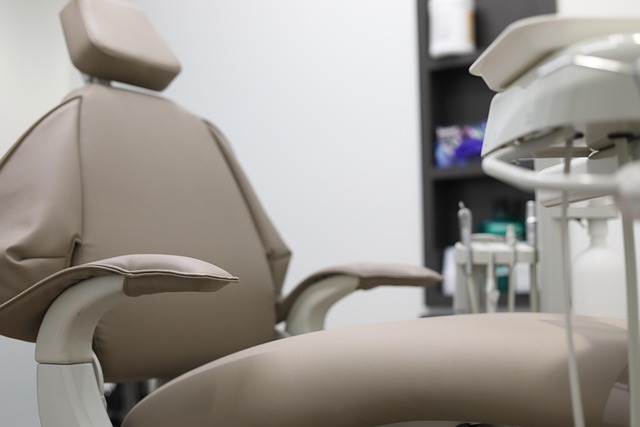
When considering a professional skin tag removal service, it’s important to understand what to expect during and after the procedure. At reputable clinics like Coventry Skin Tag Clinic or private practices in Leeds, your initial consultation will involve a thorough examination of the affected areas by a qualified dermatologist. They will discuss various treatment options tailored to your specific needs, addressing any concerns or myths about skin tag removal you may have heard.
The actual procedure can vary depending on the size and number of skin tags, but common methods include freezing (cryotherapy), cutting (excision), or burning (cauterization). A professional service will prioritize your comfort throughout, often using topical anesthetics to minimize any discomfort. Post-treatment care includes keeping the treated areas clean, avoiding certain activities like heavy exercise or wearing tight clothing for a period recommended by your dermatologist. Understanding these steps is crucial in separating fact from fiction regarding skin tag removal: Myths vs. Reality.
Effective Home Care Tips and Precautions

While many people opt for a professional skin tag removal service for quicker results, there are effective home care tips to consider before visiting a working skin tag clinic. One popular method involves applying apple cider vinegar directly to the skin tags; its acidic nature is believed to help dissolve the skin cells causing the growth. Another natural remedy is using duct tape—a surprising yet effective solution. Duct tape removed skin tags by cutting off their blood supply.
However, it’s crucial to approach these remedies with caution. Some home treatments may cause irritation or even infection if not done correctly. Always sterilize your tools and avoid scratching or picking at the tags. Moreover, understanding skin tag removal: myths vs. reality is essential; not all natural methods work for everyone, and some might require professional intervention for best results.
When considering options for getting rid of skin tags, it’s clear that both natural remedies and professional services offer viable paths. While home remedies can provide a cost-effective, non-invasive approach, they may not be as effective for all types of skin tags or cases of severe infestation. For more persistent or unsightly skin tags, consulting a professional skin tag removal service can offer the most reliable and permanent solutions. Balancing your needs with the appropriate method ensures safety, comfort, and the best outcome.