
Skin tags, caused by friction, can be removed professionally using various techniques like cremes, surgery, or laser therapy. Dermatologists offer tailored solutions, ensuring safe removal and minimal scarring. Professional services in cities like Manchester and Oxford employ advanced methods with strict hygiene standards for permanent results. At-home treatments have limited success and may cause side effects; professional care provides precision and safety. Post-removal care, including proper cleaning and hydration, prevents regrowth. Following expert advice and proactive skincare habits enhances the effectiveness of professional skin tag removal services naturally.
Skin tags are a common yet often unsightly skin condition, causing many to seek effective removal methods. These small, soft skin growths can appear anywhere on the body but are particularly prevalent in areas of friction or irritation. While there are numerous home remedies and over-the-counter options available, their effectiveness is debated. As such, many turn to dermatologists for a reliable solution. This article delves into the expertise offered by professionals in skin tag removal, specifically exploring safe and efficient methods through a comprehensive review of the latest techniques and best practices, highlighting the value of a professional skin tag removal service.
- Understanding Skin Tags: Causes and Types
- The Role of Dermatologists in Removal
- Professional Skin Tag Removal Service
- Non-Surgical Techniques for Excising Tags
- At-Home Care vs. Expert Interventions
- Preventing Regrowth: Post-Removal Guidelines
Understanding Skin Tags: Causes and Types

Skin tags are a common skin condition characterized by small, soft, flesh-colored growths that typically appear on the neck, armpits, groin, or other areas where skin rubs against itself. They are benign and usually harmless, but many individuals opt for their removal due to aesthetic concerns or discomfort caused by their presence. Understanding the causes and types of skin tags is essential when considering professional skin tag removal services, such as those offered in private clinics like St-Helens and Gillingham.
The primary cause of skin tags is friction and irritation of the skin, often due to clothing or jewelry rubbing against a particular area. They can also develop from pil tags, which are remnants of follicle cysts, or keratotic papules, resulting from an accumulation of dead skin cells. Different types include acrochordons, the most common variety, typically appearing as soft, flesh-colored growths; and verrucae, which have a rougher texture and may stand out more prominently. While over-the-counter creams can be used for removal, their effectiveness varies, and some may cause skin irritation.
When considering professional skin tag removal services, it’s crucial to understand the difference between various methods. Topical cremes or liquids can be applied to freeze or burn off skin tags, but these treatments may not be suitable for all types or locations. Surgical excision is another option, involving a quick procedure under local anesthesia. Alternatively, certain clinics offer laser treatments, which target and destroy the skin tag with precision. Compared to surgery, laser removal may result in less scarring and faster recovery time. For instance, a study by the Journal of Dermatological Treatment (2017) found that laser therapy had higher patient satisfaction rates for skin tag removal compared to surgical excision.
The Role of Dermatologists in Removal

Dermatologists play a pivotal role in the removal of skin tags, offering specialized knowledge and advanced techniques for safe and effective treatment. Skin tags, small, soft hanging pieces of skin, are typically harmless but often sought to be removed for aesthetic reasons or to prevent irritation. A dermatologist’s expertise lies in providing tailored solutions, considering individual patient needs and skin types. They offer a range of professional skin tag removal services, ensuring the best outcomes with minimal discomfort.
When it comes to removing skin tags, there are various methods available, each carrying its own advantages and considerations. Dermatologists are equipped to perform these procedures, utilizing their in-depth understanding of skin anatomy and physiology. Common techniques include cutting, freezing, or burning off the skin tags, often carried out under local anesthesia for patient comfort. For example, in cities like Liverpool, Leicester, and Bristol, dermatology clinics offer private skin tag removal services, catering to those seeking discreet and personalized care.
The decision to remove skin tags should be based on personal preference, potential health risks, or aesthetic concerns. Dermatologists can guide patients through the process, explaining the benefits and potential side effects of different removal methods. They ensure that any procedure is carried out in a sterile environment, minimizing the risk of infection. By trusting a dermatologist for skin tag removal, individuals can expect expert care, precise results, and an enhanced sense of confidence in their skin’s appearance.
Professional Skin Tag Removal Service

Dermatologists are renowned for their expertise in addressing various skin concerns, including skin tags. A professional skin tag removal service is a specialized procedure offered by qualified dermatology practitioners. These specialists possess the knowledge and tools to effectively manage skin tags, ensuring safe and optimal outcomes. Skin tags, small, soft bumps that typically appear on the neck, armpits, or groin areas, are usually harmless but may cause discomfort or self-consciousness for some individuals.
When seeking a solution, consulting skin tag removal specialists in your area is advisable. For instance, in cities like Manchester and Oxford, there are renowned dermatology clinics providing advanced skin tag removal services. These professionals employ various methods tailored to individual needs. One common approach involves freezing the skin tags with liquid nitrogen, a technique known as cryosurgery. Another method uses surgical scalpel or laser treatments for more persistent cases. Dermatologists ensure precision and minimize scarring through these procedures.
A professional skin tag removal service offers several advantages. Firstly, it provides a permanent solution, eliminating the need for repeated removals. Secondly, specialized clinics maintain strict hygiene standards, reducing the risk of infections. Lastly, dermatology experts can offer personalized advice on managing similar conditions in the future. For those seeking skin tag removal near Oxford, many reputable practices employ modern techniques to address this common yet often bothersome issue effectively.
Non-Surgical Techniques for Excising Tags

Skin tags, those small, soft growths on the skin, are a common concern for many people. While some individuals choose to leave them alone, others seek professional help for their removal. Dermatologists offer various techniques for excising skin tags, with non-surgical methods becoming increasingly popular. These approaches provide effective and relatively painless solutions, ensuring patients receive quality care tailored to their needs.
Non-surgical techniques have gained traction due to their minimal invasiveness and quick recovery times. One such method involves cryosurgery, where liquid nitrogen is applied to freeze and destroy the skin tag. This procedure is often performed in a dermatologist’s office and can effectively remove tags without scarring. Another popular choice is lancing, a simple technique using a sterile needle to cut off the tag. While it may cause temporary discomfort, lancing is swift and can be done at home or in a clinic like Blackburn Skin Tag Clinic or Chelmsford Private Skin Tag Removal service. For more precise results, dermatologists employ laser treatments, which use concentrated light energy to burn away the skin tag tissue. This method is particularly effective for smaller tags and is generally well-tolerated by patients.
When considering non-surgical skin tag removal, it’s crucial to consult with a qualified dermatologist. They can assess your specific condition, recommend suitable techniques, and provide guidance on post-procedure care. For instance, in Leicester, many cosmetic clinics offer professional skin tag removal services, ensuring patients receive expert treatment and personalized advice. Remember, each individual’s case is unique, and a tailored approach ensures optimal results and patient satisfaction.
At-Home Care vs. Expert Interventions

While many people consider skin tags a minor cosmetic concern, they can be a source of discomfort or even embarrassment for some individuals. Fortunately, effective solutions exist to address this issue, encompassing both at-home care approaches and expert interventions. For those seeking professional skin tag removal services, dermatologists play a pivotal role in providing safe and efficient relief.
At-home treatments for skin tags involve using over-the-counter remedies or natural methods. Freezing with liquid nitrogen, also known as cryotherapy, is one commonly recommended approach. However, it’s crucial to note that while these methods might offer temporary results, they may not be as effective or precise as professional services. Moreover, incorrect application can lead to skin irritation or scarring. For instance, a study in the Journal of Dermatology found that only 65% of at-home cryotherapy treatments resulted in complete skin tag removal, with many patients experiencing side effects. In contrast, skin tag removal specialists like those at clinics in Cardiff or Newark-on-Trent can offer advanced techniques, ensuring accurate and safe removals.
Patient experiences highlight the benefits of seeking expert care. Many individuals share stories of achieving permanent results and feeling more confident after professional skin tag removal. For example, a patient from Newark-on-Trent reported significant improvements following a series of treatments, stating, “The process was quick and virtually painless, and I’m thrilled with the absence of skin tags in areas that once bothered me.” This underscores the effectiveness of specialized services, which often employ advanced tools and techniques to minimize downtime and maximize patient satisfaction. While at-home care may be appealing for its accessibility, professional skin tag removal services provide unparalleled precision and safety, ensuring patients receive the best possible outcomes.
Preventing Regrowth: Post-Removal Guidelines
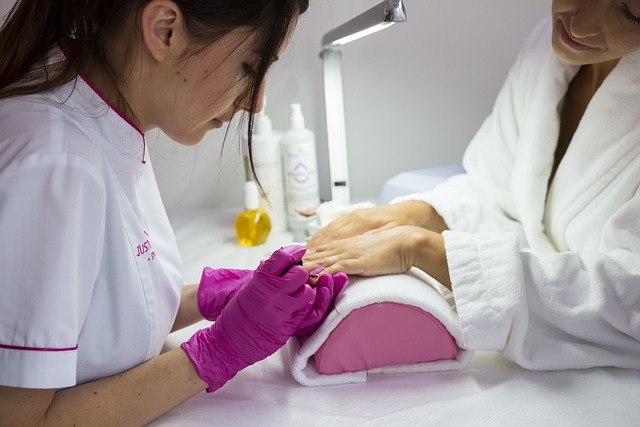
Preventing Regrowth After Removal is Crucial for Effective Long-Term Management of Skin Tags. Post-removal guidelines are essential to ensure skin tags do not reoccur. Dermatologists and specialized skin tag removal clinics like those in Preston or Milton Keynes can offer tailored advice based on individual cases. This typically includes keeping the treated area clean, avoiding harsh chemicals or irritants, and applying recommended topical treatments as directed by the specialist.
One effective strategy is to maintain good hygiene practices, gently cleansing the skin without scrubbing and using mild, fragrance-free products. Additionally, staying moisturized can aid in healing and prevent dryness, which might lead to irritation and increased chance of regrowth. Some professionals may suggest over-the-counter creams or topical medications to inhibit skin tag recurrence, though these should be used cautiously as per medical advice.
Moreover, understanding the underlying causes of skin tags is paramount for long-term prevention. Factors like hormonal changes, obesity, or certain genetic predispositions can contribute to their development. Consulting with a specialist allows individuals to address these root issues, complementing the professional skin tag removal service naturally. For instance, managing weight through diet and exercise or regulating hormones under medical supervision can significantly reduce the likelihood of new skin tags forming.
Regular check-ups are recommended to monitor any changes in the treated area and address potential regrowth promptly. By following these post-removal guidelines and maintaining proactive skincare habits, individuals can enhance the effectiveness of professional skin tag removal services, ensuring clearer, smoother skin in the long term.
Skin tags are a common concern, but understanding their causes and various removal methods is essential. Dermatologists play a crucial role in professionally addressing skin tags, offering effective solutions through both surgical and non-surgical techniques. While at-home care may be tempting, consulting a specialist for a professional skin tag removal service is advised for optimal results and to prevent regrowth. This comprehensive approach ensures safe and permanent solutions, leaving readers equipped with valuable knowledge to make informed decisions regarding their skin health.