
Professional skin tag removal services offer safe, effective solutions for common skin growths. Dermatologists employ various methods tailored to size, location, and individual needs. While natural remedies exist, clinical evidence is limited, and professional services prioritize expertise, hygiene, and patient satisfaction. Reputable clinics in Edinburgh and Blackburn provide advanced techniques with minimal downtime, ensuring optimal skin health and appearance.
Skin tags, those small, soft lumps of skin that can appear anywhere on the body, are a common concern for many individuals. While they are generally harmless, their unsightly appearance often prompts people to seek effective removal methods. Dermatologists, with their specialized knowledge and advanced tools, offer a professional skin tag removal service that is both safe and efficient. This article delves into the capabilities of dermatologists in addressing this issue, providing valuable insights for those considering their expertise for achieving smoother, clearer skin.
- Understanding Skin Tags: Causes and Types
- Dermatologist Intervention: Professional Removal Methods
- Natural Approaches for Safe Skincare Management
- Choosing the Best Service: Expert Guidance for Removal
Understanding Skin Tags: Causes and Types

Skin tags are a common skin condition characterized by small, soft, flesh-colored bumps that hang off the skin. They typically appear in areas where skin rubs against itself, such as the neck, armpits, and groin. While they are generally harmless, many individuals seek professional assistance to remove them for cosmetic reasons or due to discomfort caused by their location. Understanding the causes and types of skin tags is crucial before considering removal options.
The primary cause of skin tags is friction and constant irritation. This can stem from tight clothing, excessive rubbing, or even just natural skin-on-skin contact over time. Certain conditions like diabetes or obesity may also increase the likelihood of developing them. There are several types, including acrochordons, which are the most common, usually appearing as single tags; and keratotic tags, which tend to be rougher and thicker with a small horn-like projection. Sometimes, skin tags can resemble warts but are distinct in their formation and composition.
When it comes to removal, there are various methods available, each with its pros and cons. Over-the-counter skin tag removal creams contain ingredients like salicylic acid or glycolic acid that help dissolve the skin’s upper layers where the tag attaches. However, these creams may not be effective for larger tags and can cause irritation. Alternatively, surgery involves cutting off the tag with a scalpel or laser treatment, which offers quicker results but carries a higher risk of scarring. A professional skin tag clinic, such as those in Wolverhampton, often provides a safe and effective solution through a tailored approach, considering the type and size of the tags. Comparatively, removal creams are more accessible but less precise, while surgery is more aggressive but can be avoided with the right professional service.
Dermatologist Intervention: Professional Removal Methods
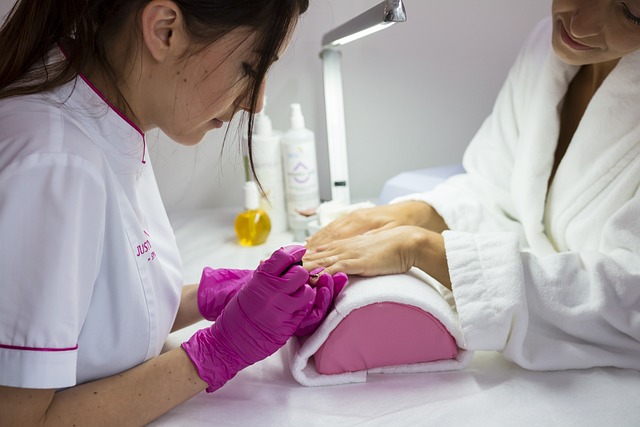
Dermatologists are medical experts specializing in skin health and conditions. When it comes to skin tags, they offer a range of professional removal services. Skin tags, small, soft hanging pieces of skin, are common but many seek expert advice for safe and effective removal. A top-rated dermatologist for skin tag removal, like those found in renowned clinics such as Southend-on-Sea or Doncaster, can provide the best solutions tailored to individual needs.
Professional removal methods vary depending on size, location, and number of skin tags. Common techniques include cutting, burning, freezing, or using a laser. For small tags, simple surgical excision by a dermatologist is often sufficient. This procedure involves numbing the area and carefully removing the tag with minimal scarring. Larger or multiple tags might require more advanced methods like cryosurgery (freezing) or laser treatments. These procedures are performed under local anesthesia in a clinical setting, ensuring safety and reducing pain.
Choosing the right professional skin tag removal service is crucial. Top dermatologists stay updated on the latest techniques and technologies, offering effective yet gentle treatments. They also provide comprehensive aftercare advice to prevent reoccurrence. For instance, maintaining good skin hygiene and avoiding friction or irritation can help manage existing tags and reduce the likelihood of new ones forming. It’s essential to consult with a specialist who can assess your specific case and recommend the most suitable removal method for optimal outcomes.
Natural Approaches for Safe Skincare Management

Skin tags are a common skin condition, often appearing as small, soft bumps on various parts of the body. While they are generally harmless, many individuals seek ways to manage and remove them for aesthetic reasons or due to discomfort. This section delves into natural approaches for skincare management, offering a comprehensive guide to help readers understand their options when considering professional skin tag removal services naturally.
One effective approach is through topical treatments. Certain essential oils like tea tree oil and lavender are known for their antimicrobial properties and can aid in reducing skin tags over time. These oils can be applied directly to the affected area, but it’s crucial to perform a patch test first to ensure no adverse reactions. Additionally, natural remedies such as apple cider vinegar and aloe vera gel have been touted for their potential to shrink skin tags. However, clinical studies supporting these methods are limited, and results may vary.
For those seeking a professional touch, reputable clinics like Mansfield Skin Tag Clinic, Skin Tag Removal Southend-on-Sea, and Edinburgh-based specialists offer natural removal services. These establishments employ advanced techniques such as cryotherapy (freezing) or cauterization under local anesthesia, ensuring safety and effectiveness. While these procedures may not be suitable for everyone, they provide an alternative to surgical excision, which can leave scars. It is essential to consult with a dermatologist or certified skin care specialist to determine the best course of action, especially when dealing with sensitive skin or larger skin tags.
Proper skincare hygiene and regular monitoring are vital components of managing skin tags naturally. Keeping the skin clean and dry can prevent irritation and infection. Additionally, maintaining a balanced diet rich in antioxidants and vitamins may support overall skin health. Remember, while natural approaches offer benefits, they might not provide immediate results. Patience and consistency are key when pursuing long-term solutions for skin tag management.
Choosing the Best Service: Expert Guidance for Removal

When considering skin tag removal, it’s crucial to seek a professional service that prioritises safety and effectiveness. Skin tags are common benign growths, but unsightly or irritating, prompting many to explore removal options. It’s important to distinguish fact from fiction in skin tag removal: myths abound regarding natural remedies and over-the-counter treatments, yet these often prove ineffective or unsafe. Therefore, a trusted professional service is the best course of action for reliable results.
In cities like Edinburgh and Blackburn, accessing high-quality private skin tag removal services has never been easier. Experts in dermatology offer advanced techniques tailored to individual needs. For instance, cryotherapy freezes and destroys tags, while surgical excision cuts them out, each with pros and cons. A skilled practitioner will assess your condition, discuss options, and provide the most suitable treatment plan.
Choosing a service is not solely about location; it involves evaluating expertise, hygiene standards, and patient testimonials. Look for practitioners who stay updated on the latest techniques, employ sterile equipment, and offer comprehensive aftercare advice. For example, some clinics in Edinburgh have reported high success rates with minimal downtime, while Blackburn practices may focus on gentle procedures suitable for sensitive skin. By selecting a reputable private service, you can expect professional, safe, and effective skin tag removal, ensuring your skin’s health and appearance are maintained.
Skin tags are a common concern, but understanding their causes and types is crucial for effective management. Dermatologists offer professional removal methods, ensuring safe and permanent solutions. Natural approaches complement these services, allowing for holistic skincare. When choosing a service, seeking expert guidance ensures the best outcomes. For those considering DIY methods, a professional skin tag removal service naturally may be the preferred path to safe, effective results without risking complications. This article equips readers with valuable insights, empowering them to make informed decisions regarding their skin health.