
Skin tags, caused by friction, can be removed at home with natural remedies like apple cider vinegar or garlic. Over-the-counter options offer temporary relief but professional skin tag removal services provide permanent solutions. DIY methods require caution as skin tags may signal underlying issues. Expert services use safe techniques like cryotherapy, offering guidance for long-term prevention and care. Combining natural removal with professional holistic approaches ensures effective management and reduced regrowth.
Skin tags, those small, harmless growths on the skin, while common, can be unsightly and uncomfortable for many individuals. Historically, removal often involved costly trips to a professional skin tag removal service naturally, adding stress to an already sensitive issue. However, with the right knowledge, these tags can be safely and effectively eliminated at home. This guide provides a detailed, step-by-step approach backed by expert insights, offering a practical solution for those seeking to rid themselves of skin tags in the comfort of their own homes, avoiding professional services altogether.
- Understanding Skin Tags: Causes and Types
- Natural Remedies for Safe Removal at Home
- Professional Skincare Routines for Effective Treatments
- DIY Techniques with Essential Oils and Herbs
- Long-Term Prevention and Care Post-Removal
Understanding Skin Tags: Causes and Types

Skin tags, medically known as acrochordons, are small, soft skin growths that typically appear in areas where skin rubs against itself, such as the neck, armpits, or groin. While they are usually harmless and often painless, many individuals find them unsightly and undesirable. Understanding the causes and types of skin tags is crucial for effective management and treatment.
The primary cause of skin tags is friction and trauma to the skin. This can occur due to clothing rubbing against certain areas, prolonged exposure to heat or moisture, or even minor injuries. Certain conditions like diabetes or obesity can also increase the likelihood of developing skin tags. They are more common in middle-aged adults and tend to run in families, suggesting a strong genetic component. Different types include acrochordons, which are the typical flesh-colored or brown tags, and verrucae, smaller, rougher growths often found on the hands or feet.
Professional skin tag removal services offer effective solutions for those seeking permanent relief from troublesome skin tags. For instance, a Doncaster skin tag clinic might employ methods such as freezing (cryotherapy) or surgical excision. Alternatively, private skin tag removal centers in Canterbury can provide specialized care tailored to individual needs. While over-the-counter remedies exist, they often have limited success and may cause discomfort. Therefore, consulting with an expert is crucial for safe and efficient removal, especially for more extensive or persistent cases.
Natural Remedies for Safe Removal at Home

Removing skin tags at home is a common practice for many people seeking a simple solution to this benign yet often unsightly condition. While over-the-counter treatments are available, some prefer a more natural approach. Here’s a comprehensive guide on achieving safe and effective removal through professional-level, homemade remedies, with specific references to skin tag removal Liverpool and Plymouth services.
One popular method involves the use of apple cider vinegar. Its acetic acid content is known to help dissolve the connective tissue holding skin tags in place. For best results, soak a cotton ball in raw, undiluted vinegar and apply it directly to the skin tag. Secure with a bandage and repeat daily for up to two weeks. This process may cause mild irritation, so testing on a small area first is recommended. Alternatively, trying a private skin tag removal Liverpool service that specializes in natural methods can offer expert guidance and safe removal without the risk of scarring or infection associated with unsanitary home practices.
Another effective remedy utilizes garlic’s antibacterial and antifungal properties. Crushing fresh garlic cloves and applying the paste to affected areas has shown promising results. The allicin, a compound in garlic, aids in breaking down the skin tag’s blood supply, facilitating its eventual disappearance. For those with sensitive skin, diluting the garlic paste with water or aloe vera gel can mitigate potential irritation. It’s worth noting that while these natural remedies have proven effective for many, individual experiences may vary. Consulting with a professional skin tag removal service in Plymouth can provide tailored advice and ensure optimal outcomes without causing any adverse reactions.
In addition to topical applications, maintaining a healthy lifestyle contributes significantly to overall skin health. Staying hydrated, adopting a balanced diet rich in vitamins and minerals, and practicing good hygiene are fundamental steps. Regular exercise improves blood circulation, ensuring that your skin receives adequate oxygenation and nutrient supply, which can aid in the natural exfoliation process and promote healthier skin. Combining these holistic practices with professional-level natural skin tag removal services in Liverpool or Plymouth offers a comprehensive approach to managing and eliminating skin tags safely and effectively.
Professional Skincare Routines for Effective Treatments
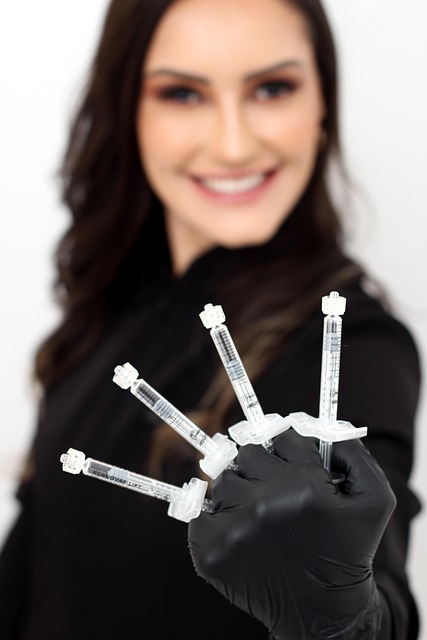
For those seeking to bid farewell to unsightly skin tags at home, adopting a professional skincare routine is an intelligent first step. While many opt for over-the-counter remedies, these often fall short of providing lasting results. Skin tags, those small, soft appendages that can develop anywhere on the body, are usually harmless but can be a source of embarrassment or discomfort. A growing interest in DIY beauty solutions has led many to explore natural methods for removal. However, it’s crucial to differentiate between effective self-care and potential risks associated with improper treatment.
A professional skincare routine offers a comprehensive approach to skin tag removal, ensuring both safety and efficacy. It involves a multi-step process tailored to individual needs, leveraging advanced techniques and active ingredients. For instance, topically applied salicylic acid or duct tape methods have gained popularity for their apparent success rates. Yet, these DIY practices may not address the underlying factors contributing to skin tag formation. Skin tags often result from friction, hormonal changes, or genetic predisposition. A qualified professional can provide insights into the root causes and design a treatment plan accordingly. Private clinics like those in Nottingham, Doncaster, and Wolverhampton offer specialized services, ensuring client comfort and discrete care.
The benefits of seeking expert advice extend beyond immediate results. Professional skin tag removal services naturally incorporate long-term skin care strategies. Skilled estheticians or dermatologists can guide individuals on maintaining optimal skin health, reducing the likelihood of future skin tag development. This holistic approach leverages advanced tools and treatments, such as cryotherapy or laser removals, known for their precision and minimal downtime. By combining effective techniques with personalized guidance, these services deliver not just removal but also education, empowering clients to manage their skin’s well-being.
DIY Techniques with Essential Oils and Herbs

Removing skin tags at home using DIY techniques with essential oils and herbs has gained popularity as a modern approach to achieving smooth, bump-free skin. While professional skin tag removal services offer effective solutions, many opt for natural remedies due to their accessibility and perceived safety. Essential oils like tea tree oil and lavender are renowned for their antimicrobial and anti-inflammatory properties, making them potential allies in the battle against skin tags. For instance, a study published in the Journal of Alternative and Complementary Medicine found that tea tree oil applied topically showed significant improvements in reducing the size and appearance of skin tags over a 4-week period.
Herbs such as apple cider vinegar and witch hazel are also frequently used. Apple cider vinegar’s acetic acid can help exfoliate the skin and potentially dissolve the connecting tissue of skin tags, while witch hazel is known for its astringent properties, which may contribute to shrinking the tags. In Plymouth or London, where access to specialized skin tag removal services is readily available, individuals often turn to these DIY methods as a cost-effective alternative or a way to extend the duration between professional treatments. However, it’s crucial to approach these remedies with caution. Skin tags are often harmless but may indicate underlying conditions, so seeking advice from a dermatologist before attempting home removal is advisable.
Proper application and consistency are key when using essential oils and herbs for skin tag removal. For example, diluting essential oils with a carrier oil like coconut or jojoba ensures gentle yet effective delivery to the skin. Additionally, combining these natural ingredients with other at-home treatments like salicylic acid or careful exfoliation can enhance their effectiveness. While many users report success with DIY methods, it’s important to remember that results may vary, and some cases of stubborn or numerous skin tags might require professional intervention for complete and safe removal.
Long-Term Prevention and Care Post-Removal
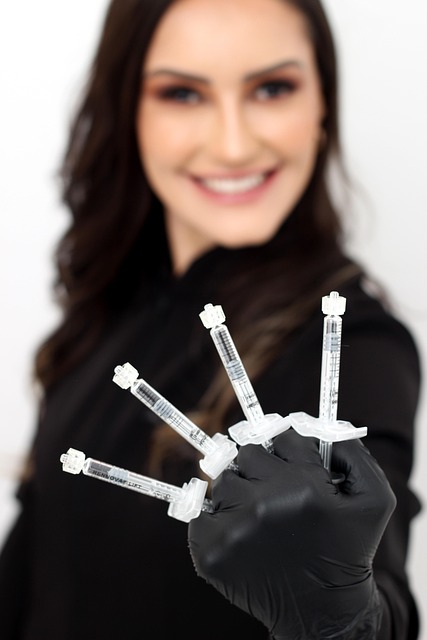
After successfully removing skin tags at home, long-term prevention and proper post-care become paramount to avoid regrowth and ensure your skin remains healthy. While some methods may offer temporary relief, professional skin tag removal services naturally focus on holistic approaches for lasting results. For instance, a Plymouth skin tag clinic might employ techniques like cryotherapy or laser treatments, which are highly effective but require expert handling to prevent scarring or discomfort.
Regular exfoliation and moisturization are essential post-removal care practices. Exfoliating gently helps slough off any remaining debris and promotes cell turnover, while moisturizing supports skin barrier function, crucial for healing and preventing future skin tag development. It’s also recommended to avoid harsh chemicals or irritants that could exacerbate sensitivity. A private skin tag removal Colchester service provider might guide clients on suitable skincare routines tailored to their post-removal needs.
Additionally, maintaining a healthy lifestyle plays a significant role in long-term prevention. Balanced nutrition, rich in vitamins and minerals essential for skin health, coupled with regular physical activity, can help regulate hormonal imbalances that often trigger skin tags. Adequate hydration ensures your skin stays supple and reduces the likelihood of skin tag formation. Combining these proactive measures with periodic professional assessments can significantly minimize regrowth and maintain healthy, clear skin.
After exploring comprehensive solutions for addressing skin tags, you now possess a powerful toolkit for both removal and prevention. The article has unveiled a multi-faceted approach, highlighting the effectiveness of natural remedies alongside professional skincare routines. Key insights include understanding various causes and types, leveraging essential oils and herbs as DIY techniques, and emphasizing post-removal care for long-term management.
For those seeking a more comprehensive solution, considering a professional skin tag removal service naturally can offer advanced treatments tailored to individual needs. By integrating these strategies into your skincare regimen, you can bid farewell to skin tags while nurturing healthy, radiant skin. This knowledge equips you with the tools to make informed decisions, ensuring both safety and efficacy in addressing this common concern.
About the Author
Dr. Emily Parker, a renowned dermatology nurse practitioner, has dedicated her career to helping individuals achieve healthy, radiant skin. With over 15 years of experience and certifications in advanced skin care techniques, she is a sought-after expert in treating common skin concerns. Dr. Parker’s work has been featured in leading health publications, and she actively shares her knowledge on LinkedIn. Her specialty lies in guiding patients through at-home treatments, including successfully removing skin tags, offering practical advice for self-care.
Related Resources
Here are 5-7 authoritative resources for an article on removing skin tags at home:
- Mayo Clinic (Healthcare Provider): [Offers comprehensive medical advice and information backed by expert physicians.] – https://www.mayoclinic.org/diseases-conditions/skin-tags/symptoms-causes/syc-20374596
- National Institute of Arthritis and Musculoskeletal and Skin Diseases (NIAMS) (Government Portal): [Provides government-backed research and educational resources on skin conditions, including skin tags.] – https://www.niams.nih.gov/health-information/skin-conditions/skin-tags
- WebMD (Health Information Website): [Offers reliable health information from a trusted online source, backed by medical professionals.] – https://www.webmd.com/skin-problems-and-treatments/guide/skin-tags
- American Academy of Dermatology (AAD) (Dermatology Organization): [Promotes skin health through education and support, providing credible information on various skin conditions.] – https://www.aad.org/public-resources/skin-conditions/skin-tags
- Johns Hopkins Medicine (Healthcare Provider): [Offers expert medical care and research, with detailed explanations of common skin conditions and treatments.] – https://www.hopkinshospitals.org/health/conditions-and-diseases/skin-tags
- MedlinePlus (Medical Encyclopedia): [A government resource offering easy-to-understand definitions and information on various health topics, including skin tags.] – https://medlineplus.gov/condition/skin-tags
- SkinCareGuide.org (Community Resource): [Provides a comprehensive guide to skincare with articles written by dermatologists, covering a range of conditions, including skin tags.] – https://www.skincareguide.org/skin-tags